

What to see in Rimini

Rimini is probably the main destination for those looking for a weekend of sun, sea, and fun on the Adriatic coast.
However, this city can hold some surprises if you want to discover it in depth.
For those looking for alternative itineraries in a place that seems to have little to offer from a cultural point of view, here is a list of Rimini’s historical and artistic treasures.
Domus del Chirurgo – After 18 years of excavations, studies, and research, one of the largest archaeological complexes in Emilia Romagna opened to the public in 2007.
It covers 700 square meters and includes various Roman-era buildings, including the Domus del Chirurgo, dating back to the 2nd century AD, which preserves a large number of mosaics and artifacts inside.
The site is unique due to the discovery of 150 surgical instruments, indicating that this place was the home of a doctor.
Visitors can admire the mosaic decorations, while the nearby museum houses the entire medical kit, which is the most important (in terms of number of objects) ever found from antiquity.
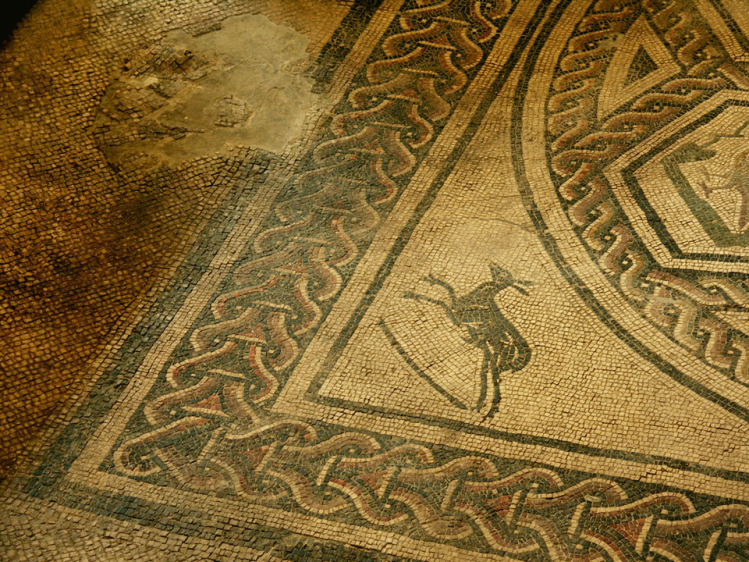
Domus del Chirurgo
Malatesta Temple – Sigismondo Pandolfo Malatesta became lord of Rimini and Fano in 1432 (at only 15 years of age!), gaining fame and wealth over the years thanks to his victorious military campaigns, which transformed Rimini into an important seignory.
The first Renaissance building was constructed in Rimini and was commissioned by Malatesta to the architect Leon Battista Alberti, while the most important artists of the time, including Piero della Francesca, were called upon to design the interiors.
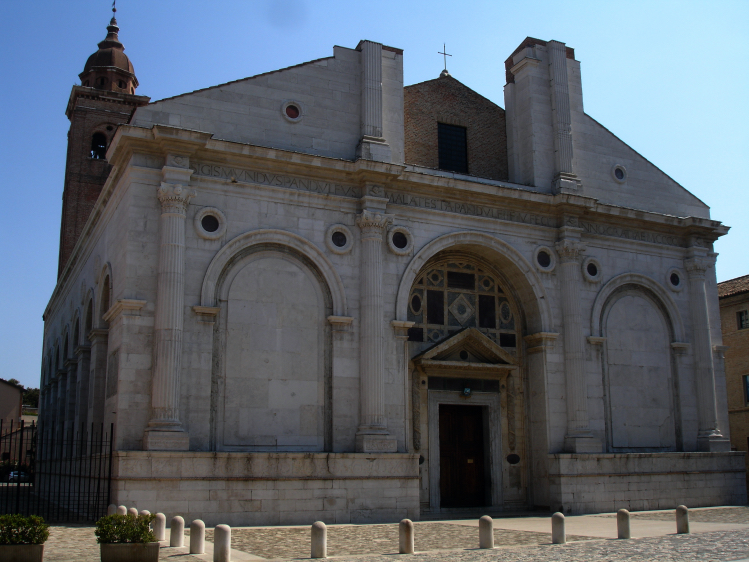
Tempio Malatestiano
Giotto and the 14th century – the 14th century was a magical moment for art in Rimini, because a school was founded by a group of painters who developed Giotto’s ideas and left their mark in the frescoes of the Church of San Giovanni Evangelista (also known as Sant’Agostino).
Of Giotto, however, and his work in Rimini, what remains is the Crucifix preserved in the Malatesta Temple.
Other works that bear witness to the activity of the Grotesque School are preserved in the City Museum.

Castel Sigismondo – Built by Sigismondo Pandolfo Malatesta starting in 1437.
It was a fortress and an imposing structure that represented the power of Malatesta, lord of the city.
What remains of the building is the central core of the castle, which was originally defended by an additional ring of walls and a moat.
In reality, the castle was more like a fortified citadel, and Brunelleschi was among the architects who were called upon to work on this project.
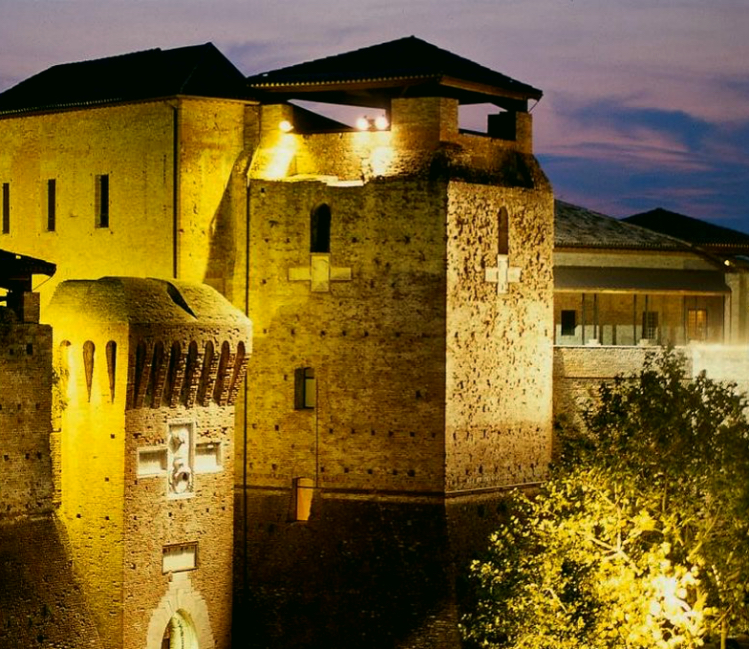
Castel Sigismondo
Federico Fellini – This is not a monument or a month dedicated to the great Italian director, but rather a series of atmospheres found in his most famous films that can still be “felt” today in the city where Fellini was born.
Rimini is present in many of his films, from the streets to the friendliness of the people.
Fellini was born in Rimini, but he often lived far away from here, yet at the same time he never seemed to forget it.
He rests here alongside his wife Giulietta Masina.


Follow me on:
About me
In this blog, I don't explain the history of art — I tell the stories that art itself tells.