

Works in the National Gallery of Modern Art of Rome
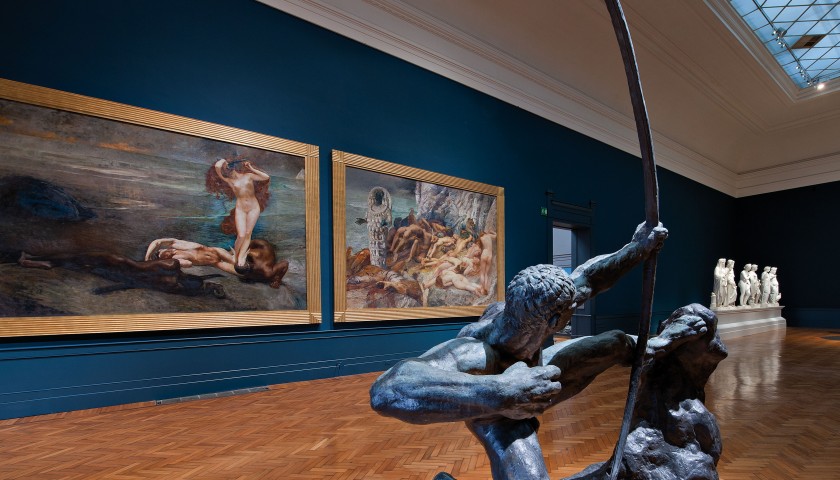
THE NATIONAL GALLERY OF MODERN ART OF ROME: UNMISSABLE WORKS AND ARTISTS
The National Gallery of Modern Art of Rome houses the most complete collection dedicated to 19th– and 20th–century Italian art.
It exhibits some masterpieces of the most important artists who between the 19thand the 20thcentury changed forever history of art.
In this post you’ll find the artworks you can’t miss.
Works in The National Gallery of Modern Art of Rome

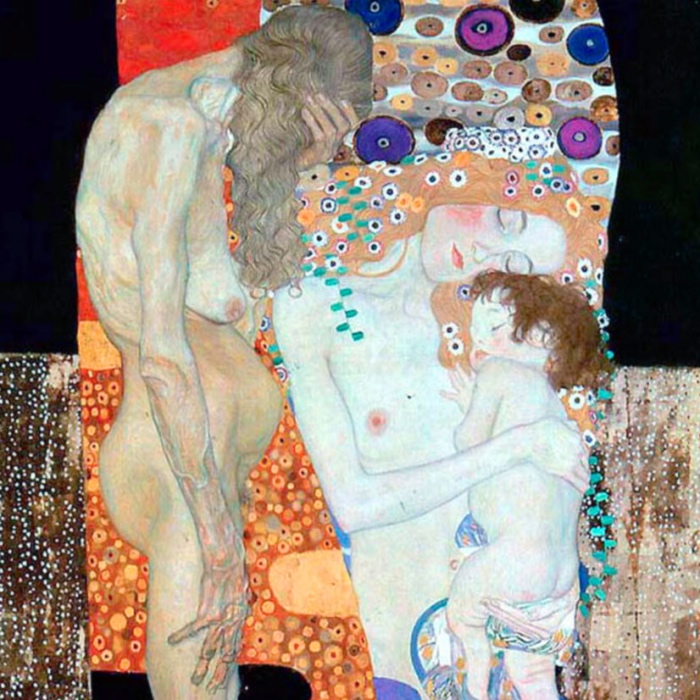
1.GUSTAV KLIMT, THE THREE AGES OF WOMAN (1905)
Among the works on display at the National Gallery of Modern Art of Rome you can admire a masterpiece by Gustav Klimt, the well-known Austrian painter who was the most prominent member of theVienna Secession movement.
The painting is an allegory of the three main stages of a woman’s life: childhood, motherhood and old age.
It was bought in 1911 during the International Exhibition held in Rome to celebrate the 50thanniversary of the unification of Italy.
2. JACKSON POLLOCK, WATERY PATHS (1947)
The painted was donated to the museum by Peggy Guggenheim, the famous American art collector and patron (about Peggy read also The Guggenheim Museum in Venice: The Peggy Guggenheim Collection).
Pollock was the main exponent of Action Painting and his technique called “drip painting” consisted in pouring painting on to the canvas.
Pollock’s artworks are the representation of his total immersion in his works, which thanks to the marks left by the colour on canvas symbolize energy and movement, but also chance and unpredictability of the creative moment.
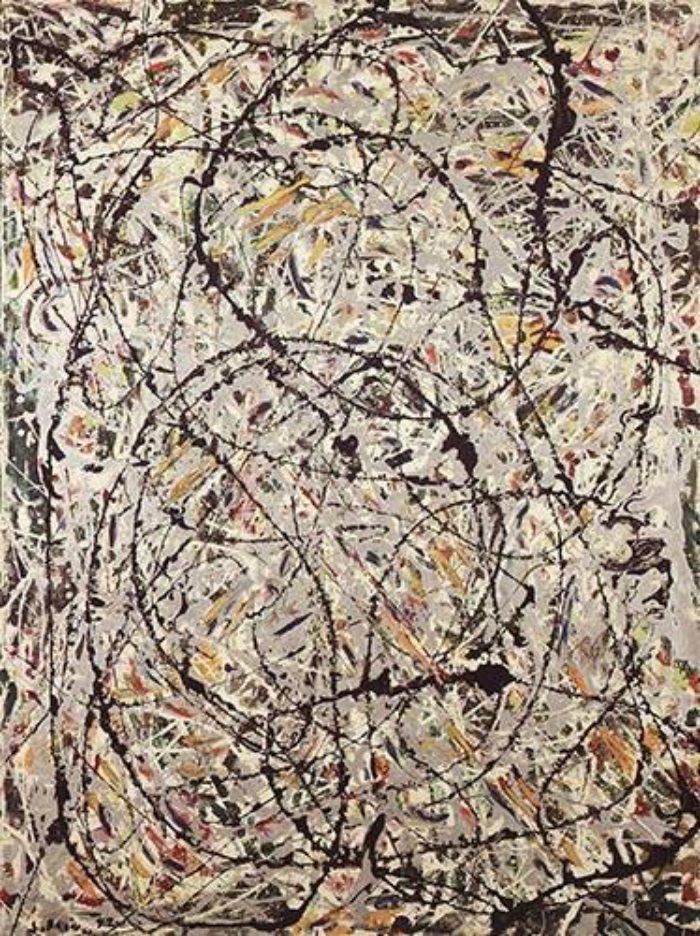
Jackson Pollock, Watery Paths (1947)
3. ANTONIO CANOVA, HERCULES AND LCHAS (1795-1815)
The artwork was commissioned by don Onorato Gaetani dell’Aquila d’Aragona, Antonio Canova’s admirer.
But the works for the sculpture lasted for years, and the prince terminated the contract.
So the statue was bought by the Roman banker Giovanni Torlonia in 1800 and placed in his Roman palace in 1815.
Canova focuses on the moment of heightened tension. Hercules is caught in a moment of madness and just before throwing Lichas into the sea, unaware that she had given Hercules a poisoned shirt.
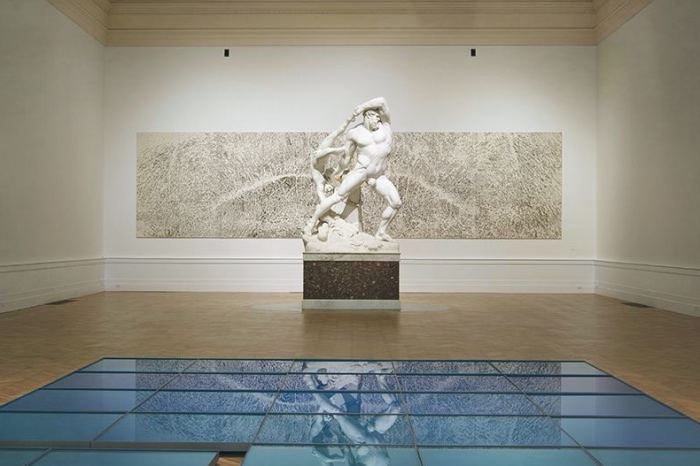
Antonio Canova, Ercole e Lica (1795-1815)

Follow me on:
About me
In this blog, I don't explain the history of art — I tell the stories that art itself tells.