6 tips for using social media if you are an artist
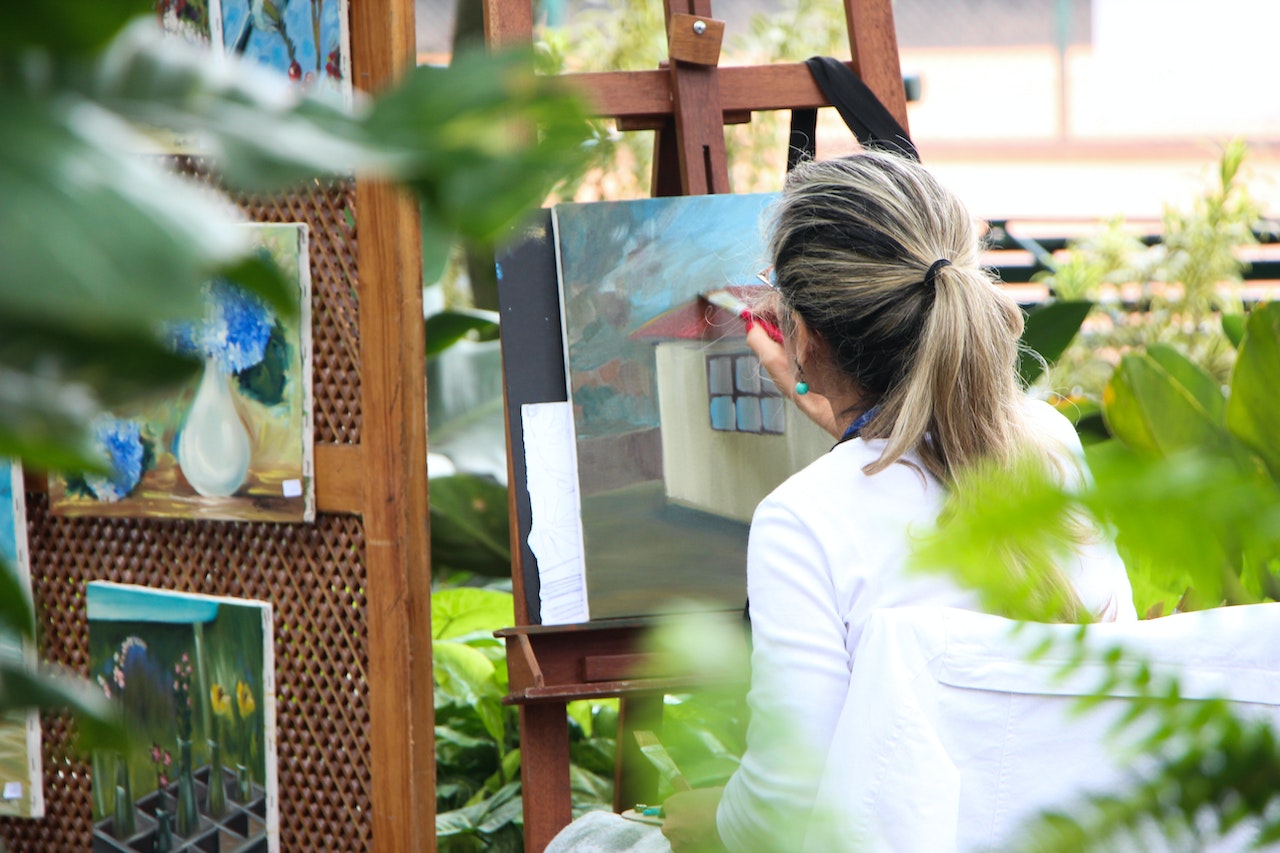
If you are an artist, taking advantage of social media is now essential if you want to achieve maximum visibility for your work. However, understanding how to use social media effectively and in a way that is consistent with your artistic image can be a full-time job in itself.
In this article, I’ll give you some useful tips for using social media if you’re an artist and want to improve the way you communicate online. I’ll help you understand which ideas work to reach a wider audience and to let the world know about your work.
6 tips for using social media if you’re an artist
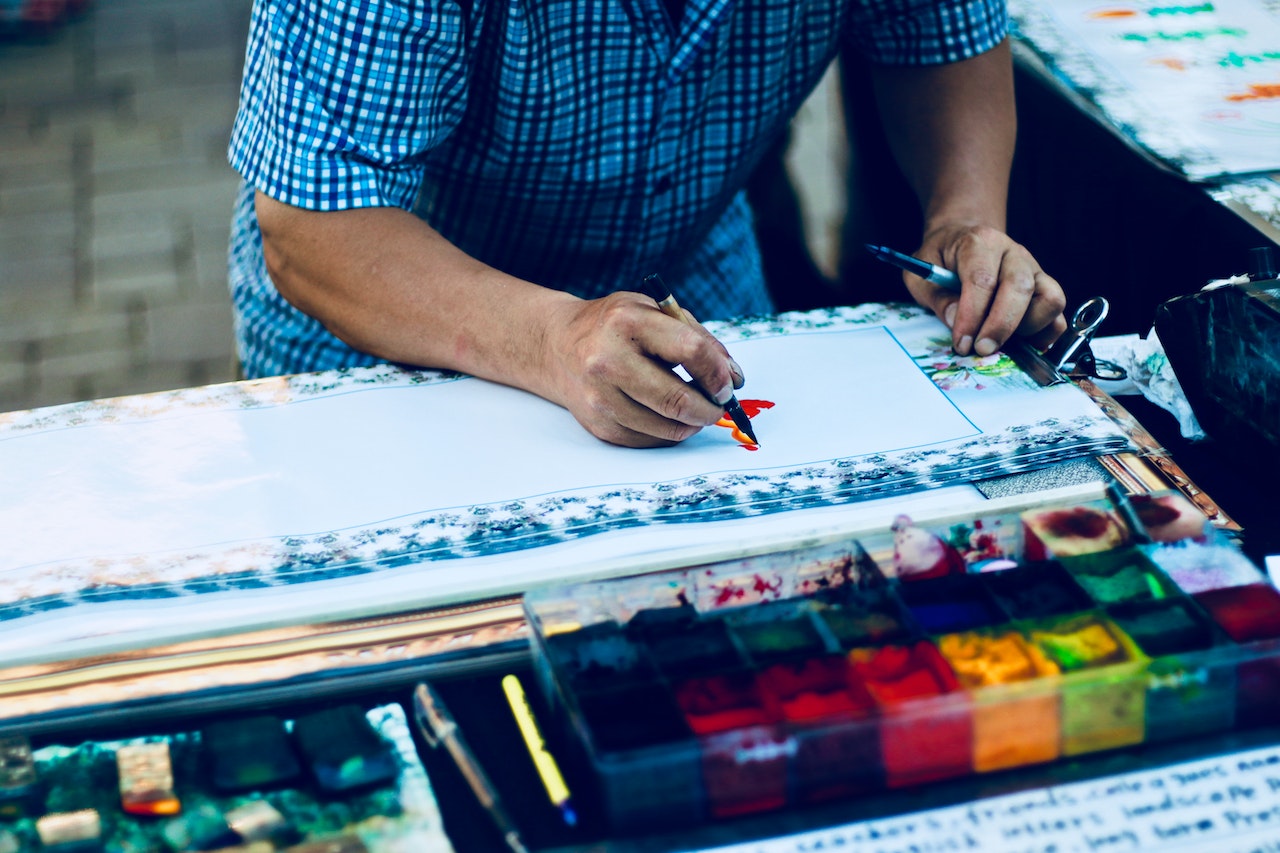
Here’s how to use social media effectively and let the world know about your artwork!
Read these tips on how to create social media content that is consistent with your art and find out how to create engaging content. Improve your social media strategy and reach a wider audience to promote your talent!
DEFINE YOUR GOALS
Before you start communicating on social media it’s important to define the objectives you want to achieve.
This strategy is similar to the one described in the post where I described what an artist should publish on his/her website.
Do you want to increase the visibility of your work? Do you want to promote an event or one of your exhibitions? Do you want to engage with your audience and create an online community? Defining your objectives will help you understand how to plan your communication strategy.
CHOOSE YOUR PLATFORMS
Once you have defined your objectives, it’s important to choose the social platforms you will use. Not all social platforms are suitable for all objectives, so choose the ones that best suit your needs.
Once you have established the platforms you want to use, you can focus on the content and carefully consider, for example, what to post on your Instagram profile or what to post on your TikTok profile.
CREATE A COMMUNICATION PLAN
Creating a communication plan will help you organise your content.
Remember that social media is for socialising, so your communication plan should include information about the platforms, publication frequency, types of content and specific objectives for each piece of content.
CREATE QUALITY CONTENT
Creating quality content is a crucial part of your communication strategy. The content must be interesting, engaging and relevant to your audience.
Using high-quality images and well-written texts is good advice for anyone who wants to communicate on social media, but for those involved in art and culture it should be a must.
In fact, to capture the attention of your audience, you need to have a good understanding of how to manage a social media profile with precision and attention to detail.
INTERACT WITH YOUR AUDIENCE
Don’t just post content on social media, but also interact with your audience. Reply to your followers’ questions and comments and create conversations around your content.
ANALYSE YOUR RESULTS
Constantly monitor the results of your social media and web activities.
Use the available analysis tools to understand which content works best, which platforms are most effective and what changes you need to make to your communication strategy.
CONCLUSIONS
In general, to communicate through the web and social media, you need to be consistent, engaging and authentic. Try to create an online community and use the tools at your disposal to monitor results and constantly improve your communication strategy.
Social media can become your best ally if you are an artist who wants to make your work known to the world. From the most popular platforms such as Instagram, to the more niche ones, every artist can find the right solution to promote their work and capture the attention of a wider audience.
Putting the advice listed in this article into practice requires time, creativity and consistency; however, by following these guidelines you can develop an effective social media strategy for your artwork. Remember that art is a universal language, and social networks can offer you the chance to speak to the whole world!

Follow me on:
About me
In this blog, I don't explain the history of art — I tell the stories that art itself tells.