

Trevi Fountain admission fee: two euros to get closer to art. But is this the solution?
Walking through the cobbled streets of a city of art and after reading the news of yet another entrance ticket to one of Italy’s beautiful sights, I asked myself: if art could talk, would it agree?
From 2 February 2026, anyone who wants to get off at the Trevi Fountain and go up close to take a photo, throw a coin or simply enjoy the majesty of that work of water and marble, will have to pay two euros. Nothing scandalous, you might think. You pay much more for a quick coffee at the bar.
Not the Romans, though; they get in for free. Tourists, on the other hand, and we are all tourists when we visit a city, have to pay.
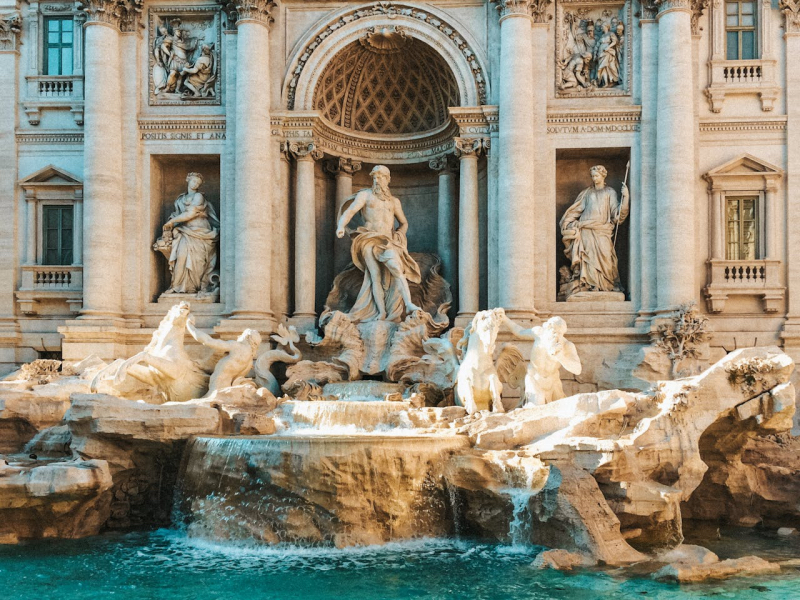
Trevi Fountain, £2 for a selfie. Is art a ticket or a right?
The City of Rome says that the money will be used to maintain the fountain, that everything will be tidier, that there will be fewer sweaty crowds and hiking backpacks left on the steps, and perhaps that is true.
However, something inside me began to pinch like the shoes of the perfect tourist in a city of art, after a day of endless walking to fill my eyes with beauty.
When did art cease to be a collective gift and start behaving like a VIP lounge?
We have been told that beauty will save the world, but perhaps, first, we will have to save it from our credit cards, booking apps and the compulsive need to monetise every moment, every glimpse, every aesthetic sigh.
Is art really a product to be bought, consumed and shared on social media?
Like a can to be opened and thrown away when it’s finished?
I sat down for a moment and thought about Nicola Salvi, the architect who created the Trevi Fountain as Pope Clement XII wanted it, and how he would have reacted knowing that his fountain, designed to amaze everyone, rich or poor, stranger or citizen, has now become a sort of paid carousel.
Yet it is not just about two euros. It is about an idea, a direction.
If today you pay to access an outdoor monument, tomorrow will you pay to watch the sunset on the Janiculum?
Perhaps there is no right answer. Perhaps we are all looking for a compromise between protection and enjoyment, between respect and accessibility, between order and freedom.
However, one question remains: does art really need an entrance fee to survive, or does it just need to be loved?
Perhaps the solution does not lie in charging for silence and order around the fountain. Perhaps it lies in rewriting the rules of tourism, education and respect.
Perhaps it lies in remembering that certain sights are priceless and that true beauty cannot be bought. It is conquered slowly, with care and wonder.
What about you?
Would you pay two euros for a selfie… and then go to the page where you can book the Trevi Fountain,
or would you rather be part of something that cannot be bought?
Or are you wondering, like me, when we started putting a price on beauty?
Perhaps art does not need an entrance turnstile, but only eyes capable of seeing it. Free of charge.

Follow me on:
About me
In this blog, I don't explain the history of art — I tell the stories that art itself tells.