

Reina Sofía 2025: 404 new works for a more inclusive and contemporary collection
In 2025, the Reina Sofía Museum in Madrid took a decisive step towards a broader, more critical and pluralistic interpretation of modern and contemporary art history. With 404 new acquisitions by 130 artists, the museum’s collection has been enriched with visions, languages and identities that were previously marginalised or absent.
The total value of the acquisitions amounts to €10.6 million, the result of purchases, donations and deposits that pave the way for the restructuring of the collections planned for 2026, when a new exhibition dedicated to the period from the Spanish Transition to the present day will be inaugurated.
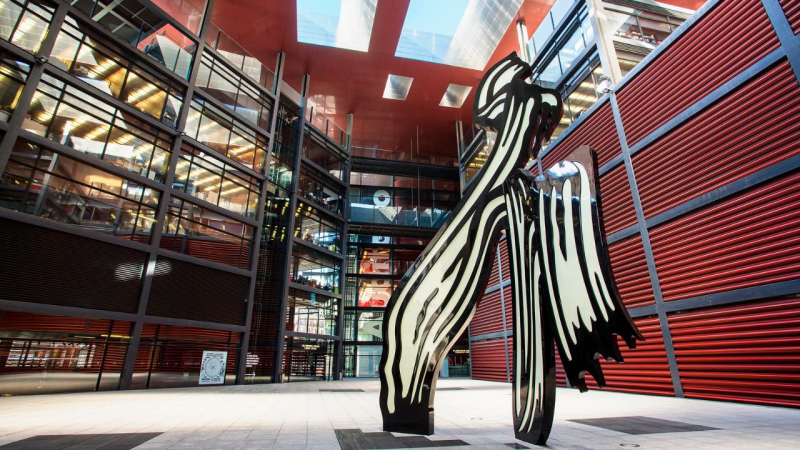
Museo Reina Sofia Madrid
The Reina Sofía gets a makeover: 404 new works for a more inclusive and contemporary art history
The acquired works reinforce the lines of research that the museum has been promoting for some time: gender balance, decolonisation of European narrative and attention to political and social issues of the present and the past.
Almost 60% of the purchases were works by female artists, in a strategy that aims to fill the gaps in traditional historiography and highlight contributions that are often ignored. Among these, Verbena de la Pascua (1927) by Maruja Mallo stands out, a symbolic masterpiece of the Generation of ’27, which returns to Spain after decades of exile. The same artist is joined by Perfil de joven [Joven negra], fundamental to a feminist and transatlantic reading of Spanish modernity.
Other protagonists of the art scene recovered by the new acquisition include Delhy Tejero, Manuela Ballester, Esther Boix, Carmen Pagés, Amèlia Riera and Judy Chicago, whose works address the second wave of feminism and criticism of cultural institutions.
Conceptualism, video art and sculpture
The expansion of the collection also includes conceptual artists, with emblematic works such as Arquitectura prematura by Isidoro Valcárcel Medina and works related to exile and memory by Isaac Díaz Pardo.
Photography and video are at the centre of new acquisitions such as Joan Fontcuberta’s complete Herbarium series, alongside works by Darío Villalba, Maider López and Jon Mikel Euba, whose installation work expands the representation of contemporary video art in the museum.
Sculpture finds its place with the arrival of Pablo Gargallo’s L’Aragonais ou Jeune homme à la marguerite (1927), a terracotta work with strong symbolic value, alongside works by Victoria Civera, Salomé Cuesta and Guillermo Pérez Villalta, which combine art and design in an innovative way.
Donations and archives: new additions to the collection
Donations have played a decisive role, exceeding three million euros. Among the most significant gestures is the contribution of the Genovés family, which enriches the presence of Juan Genovés, a key artist in the representation of the Transition period.
Other important donations are those of Soledad Sevilla and Juan Uslé, which offer a more complete view of their artistic evolution. Also noteworthy is the addition of the archive of Miguel Benlloch, artist and activist, which reinforces the museum’s identity as a centre for the study and preservation of cultural and political memory.
A global and decolonial perspective
The Reina Sofía collection is opening up even more to international perspectives, with a particular focus on Latin America and non-Eurocentric contexts. Among the artists featured in the new acquisitions are Giuseppe Campuzano, Marta Minujín, Lara Salous, Juan Pablo Echeverri, Luz Lizarazo, Ariella Aïsha Azoulay, Filiberto Obama Nsué and Juan Roberto Diago.
These works address themes related to colonialism, migration, sexual and political dissent, helping to create a more inclusive, critical and conscious narrative of art.
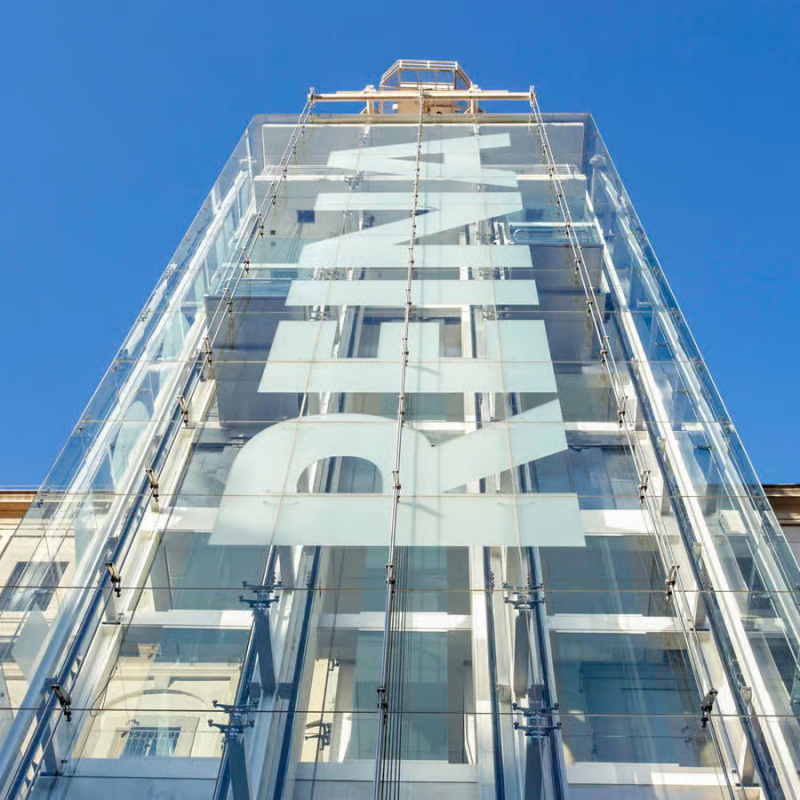
Museo Reina Sofia Madrid
A museum in constant transformation
The work of the Reina Sofía Museum Foundation has been decisive in supporting this major cultural operation. The deposits have reached a value of 4.6 million euros, marking a 64% increase over the previous year. Thanks to this contribution, the collection has also been enriched with works by Francis Alÿs, Edgar Calel, Regina José Galindo, Santiago Sierra and many other contemporary artists, some of whom are entering the museum’s galleries for the first time.
With this impressive acquisition campaign, the Reina Sofía Museum confirms its position as one of the most dynamic institutions in Europe, capable of rethinking its cultural identity in dialogue with the present. The collection is growing in quantity, quality and depth, anticipating a future in which art history will be increasingly diverse, transnational and open to differences.

Follow me on:
About me
In this blog, I don't explain the history of art — I tell the stories that art itself tells.