

Urbs Salvia: the new route through the Urbisaglia Archaeological Park
Are you looking for new cultural destinations for your next trip to the Marche region?
If you love ancient art, archaeology and walking in places where history comes alive beneath your feet, there is something new you cannot miss: the new tour of the Urbs Salvia Archaeological Park in Urbisaglia, in the province of Macerata.
The expansion of the areas open to visitors offers a unique opportunity to explore the Roman city of Urbs Salvia and discover aspects that were previously hidden. In this post, I will tell you what you can see, how this new opening came about and why this discovery is fundamental to a better understanding of urban life in Roman times. Furthermore, if you want to explore other ancient wonders, at the end of the article you will also find some useful tips to continue your journey through culture.
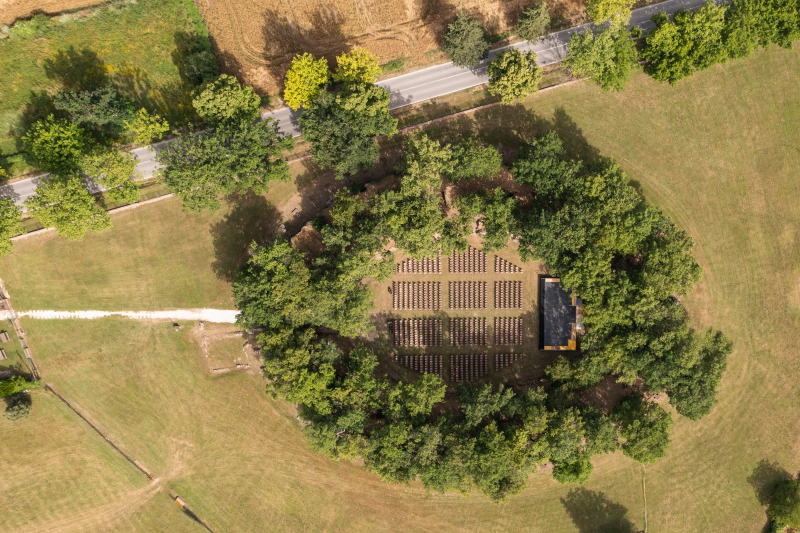
Urbs Salvia, Parco Archeologico Urbisaglia
The new route through the streets of Urbs Salvia
From today, you can walk along a Roman urban route that has re-emerged after years of excavation in the south-eastern sector of the temple-cryptoporticus complex. The route passes through the neighbourhoods adjacent to the ancient paved streets, which are open to the public for the first time. It is a real immersion in the daily life of the ancient city, among public buildings and urban spaces that were previously unknown.
The new itinerary is the result of a joint project between the Regional Directorate of National Museums of the Marche and the University of Macerata, which has been working on the site since 1995. Thanks to funding from the Ministry of Culture, it has been possible not only to complete the excavations but also to restore and make the area accessible.
Archaeological discoveries that rewrite urban history
The work was directed by Sofia Cingolani, archaeologist and director of the Park, and Roberto Perna, professor of classical archaeology and head of the Unimc archaeological mission.
The research has clarified previously unknown aspects of the organisation of the Roman city.
A new interpretation of the relationship between buildings and roads has emerged, with the possibility of distinguishing the different construction phases that took place over the centuries. This has provided a better understanding of the function of the buildings and the transformation of the urban space, restoring a more dynamic and lively image of the colony of Urbs Salvia.
A project for enhancement and accessibility
The project focused not only on research but also on public access. The route has been designed to accompany you in a clear and engaging way, thanks to a narrative that guides you in the discovery of an urban area that was previously inaccessible.
In the words of director Sofia Cingolani, the aim was precisely to restore an important fragment of the ancient city to the community. For Professor Perna, this discovery represents a fundamental piece in understanding the urban complexity of the entire colony.
What to see at the Urbs Salvia Archaeological Park
In addition to the new route, the park preserves extraordinary monuments: the amphitheatre, the Roman theatre, the walls, the temple with cryptoporticus and the road that connected the forum with other public buildings.
The site is immersed in the green hills of the Marche region, perfect for an outdoor visit combining nature and archaeology.
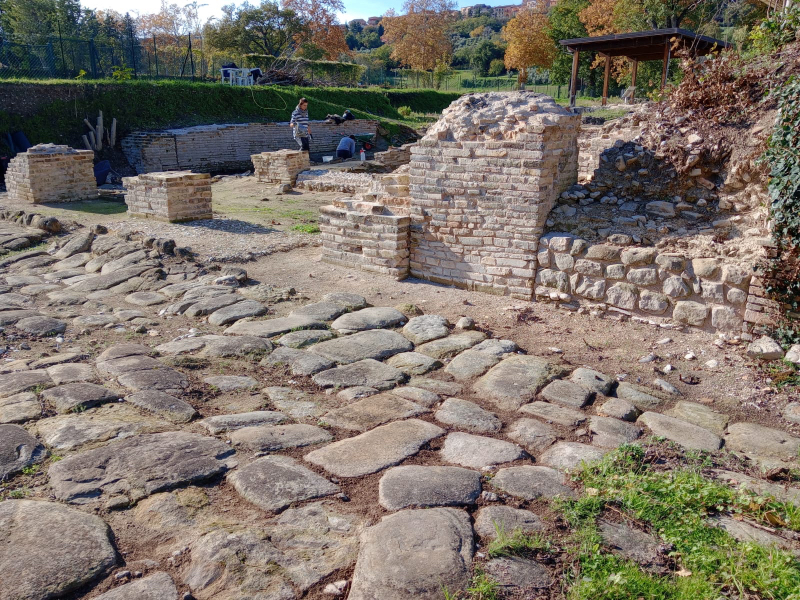
Urbs Salvia, Parco Archeologico Urbisaglia
Why visit Urbs Salvia today
Visiting Urbs Salvia today means being among the first to explore an archaeological site that has been unearthed after centuries, a direct witness to the history of Roman Italy. It is a journey through time that enriches your view of the past and offers new tools for understanding the present.
If you enjoy these cultural itineraries, I recommend you take a look at our other posts dedicated to art and archaeology:
- Discovering Magna Graecia: History, Archaeology and Hidden Treasures
- What to see in Rome: museums, archaeological sites and churches you should visit
- Where are the Riace Bronzes on display?
Would you like to visit Urbs Salvia? Write to me in the comments or tell me about your favourite archaeological site!

Follow me on:
About me
In this blog, I don't explain the history of art — I tell the stories that art itself tells.