

Steve McCurry: il fotografo che ha dato un volto al mondo
If, like me, you have ever had the feeling that a photograph could speak to you — without words, but with all the power of humanity — then you have already encountered Steve McCurry.
You may not know it, but you have known him forever.
You know his eyes.
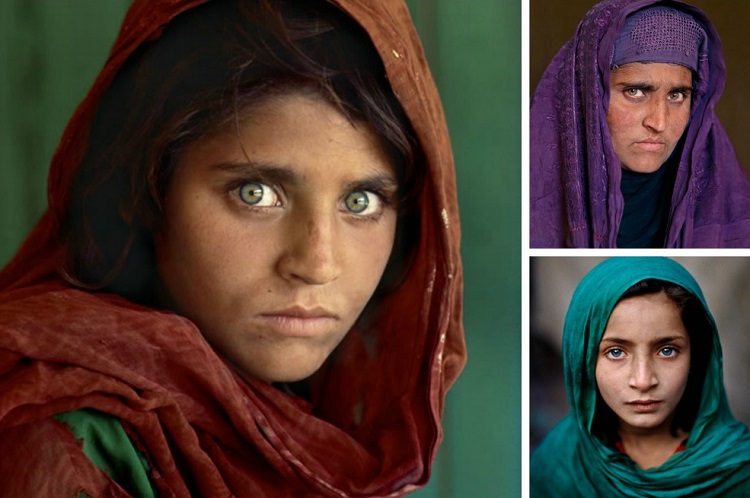
In fact, you know the most famous green eyes in the world: those of the Afghan girl who stared into McCurry’s lens in 1984 and captivated the world from the cover of National Geographic.
That shot has become iconic, but it is only a small part of the story.
Un occhio sul mondo: la vita di Steve McCurry
Steve McCurry nasce nel 1950 a Philadelphia e inizia la sua carriera come fotoreporter.
Lui è un giovane con una macchina fotografica al collo e un passaporto sempre pronto. La svolta arriva negli anni Ottanta, quando riesce a entrare clandestinamente in Afghanistan, prima dell’invasione sovietica. Da lì, le sue fotografie iniziano a girare il mondo.
E non si fermeranno più.
India, Pakistan, Cambogia, Libano, Birmania, Brasile, Africa… McCurry non è mai solo un turista: è un testimone. Uno che guarda e, con delicatezza, restituisce storie.
La sua missione? Rendere visibile ciò che rischia di restare invisibile.
Le opere più importanti di Steve McCurry
Oltre alla celeberrima Ragazza afghana, le sue fotografie più iconiche sono viaggi dentro lo sguardo umano:
– “Dust Storm” in India (1983) – donne avvolte nei sari durante una tempesta di sabbia: la fragilità che diventa forza.
– “Boy in Mid-Flight” (Jodhpur, India) – un bambino che salta da un tetto, incorniciato da muri blu: poesia in movimento.
– “Bamiyan Buddhas” in Afghanistan – scatti realizzati poco prima della distruzione delle statue da parte dei Talebani.
I ritratti delle etnie del mondo – volti segnati dal tempo, vestiti dai colori della propria terra.
Ogni fotografia è una storia che non ha bisogno di didascalie.
Lo stile McCurry: tra luce, colore e umanità
Steve McCurry non fotografa solo persone, ma fotografa vite.
Il suo stile si riconosce subito: l’uso sapiente della luce naturale, i colori intensi (quasi pittorici), e quella composizione impeccabile che sembra casuale ma è frutto di grande attenzione.
Ciò che colpisce davvero, però, è il rispetto. McCurry non ruba scatti: incontra.
C’è uno sguardo che parla prima ancora dello scatto, un’empatia che trasforma ogni ritratto in una relazione. È qui che sta il segreto del suo successo: non si limita a documentare, riesce a emozionare.
Curiosità su Steve McCurry
La ragazza afghana si chiama Sharbat Gula. McCurry l’ha ritrovata dopo 17 anni e il suo sguardo era cambiato, ma la forza era la stessa.
McCurry è noto per aver rischiato la vita più volte pur di scattare: è stato colpito, arrestato, ha nascosto rullini cucendoli nei vestiti.
Usa sia pellicola che digitale, ma i suoi colori sono ancora quelli dell’Ektachrome.
È un amante del silenzio: ha dichiarato più volte che le sue immagini migliori nascono in ascolto, non nel rumore.
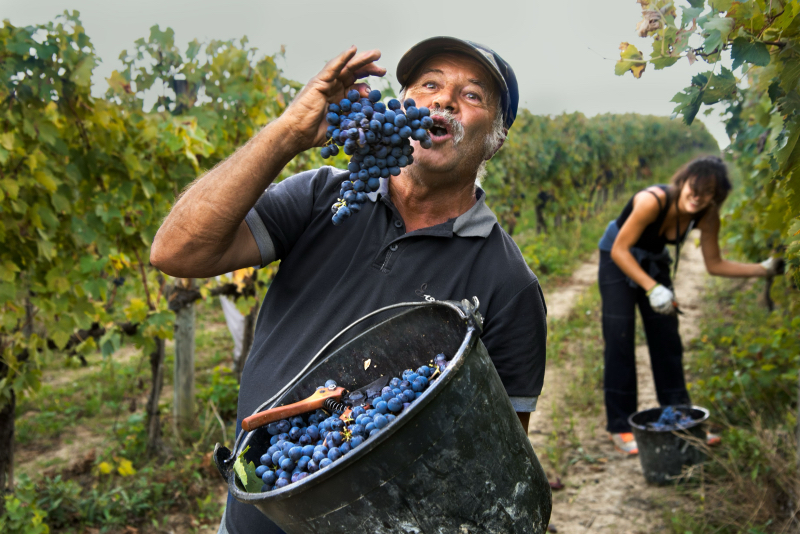
Uomo fa finta di mangiare uva in una vigna. Montefalco, Umbria, Italia, 2014 ©Steve McCurry
Where and how to admire Steve McCurry’s works
His photographs have been published in hundreds of books and are often displayed in exhibitions on different themes. We saw his works in the exhibition ‘Steve McCurry. Beyond the gaze’ but also in an exhibition in which he showed the faces hidden behind a simple cup of coffee. In recent years, he has also travelled through and discovered Umbria, dedicating many fascinating photos to this region.
Steve McCurry has taught us to look. Not to take pictures by chance, but to seek life in the folds of a face, in the reflection of an eye, in the dust of a distant road.
His photographs are windows on the world, but also mirrors in which we can recognise ourselves. Because every face he shows us, after all, also speaks a little about us.

Follow me on:
About me
In this blog, I don't explain the history of art — I tell the stories that art itself tells.