

Why is seeing Leonardo’s Last Supper an (almost) impossible task?
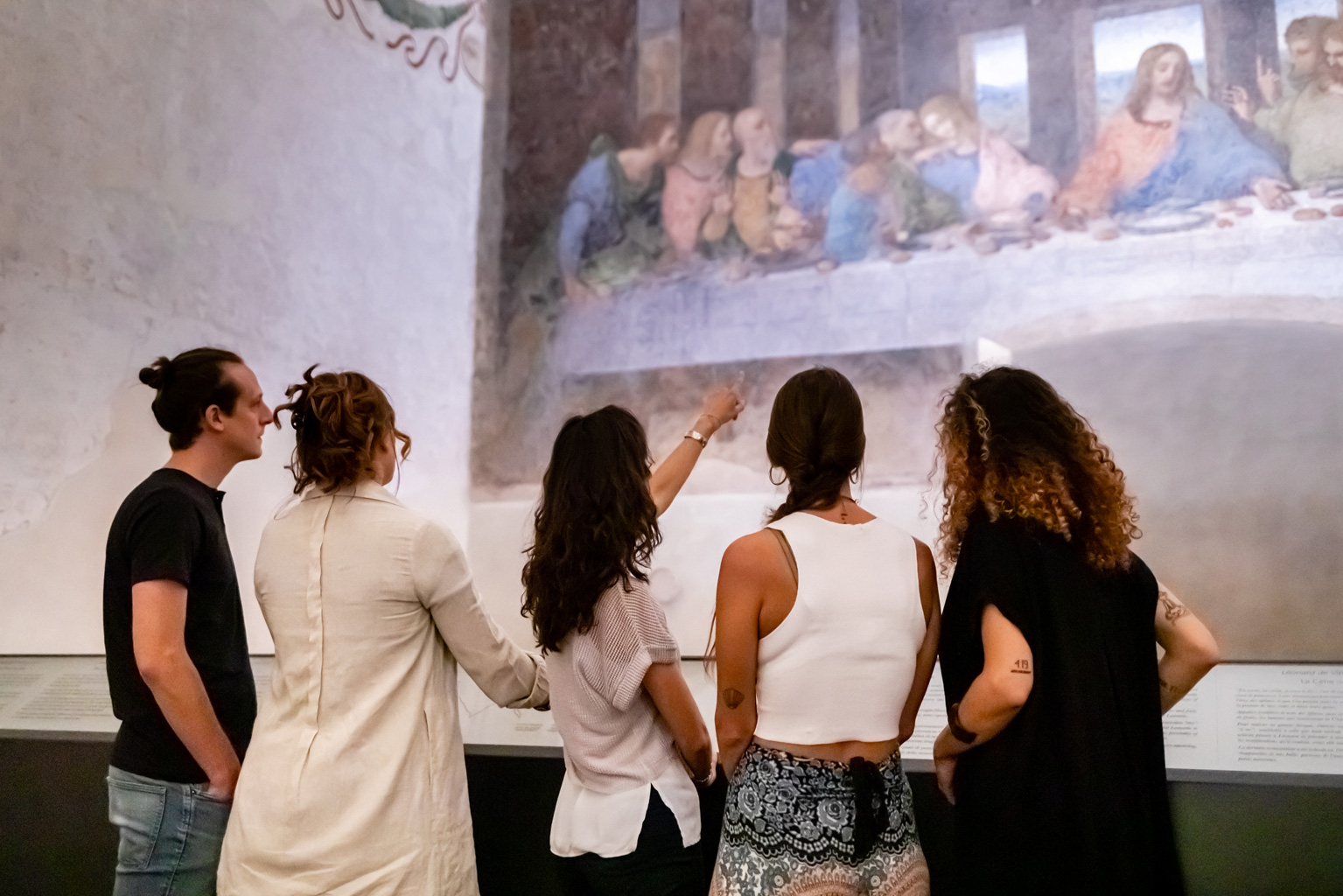
Have you ever tried to book a ticket to see Leonardo da Vinci’s Last Supper?
You’ve probably realised that it’s harder than organising a last-minute holiday! But why is it so complicated to access one of the most iconic masterpieces in art history?
Between unavailable tickets, speculation and tourist agencies, the situation raises many questions about how access to this extraordinary work is managed. Let’s find out together the reasons behind this complex organisational machine.
SEEING LEONARDO’S LAST SUPPER IS (ALMOST) IMPOSSIBLE
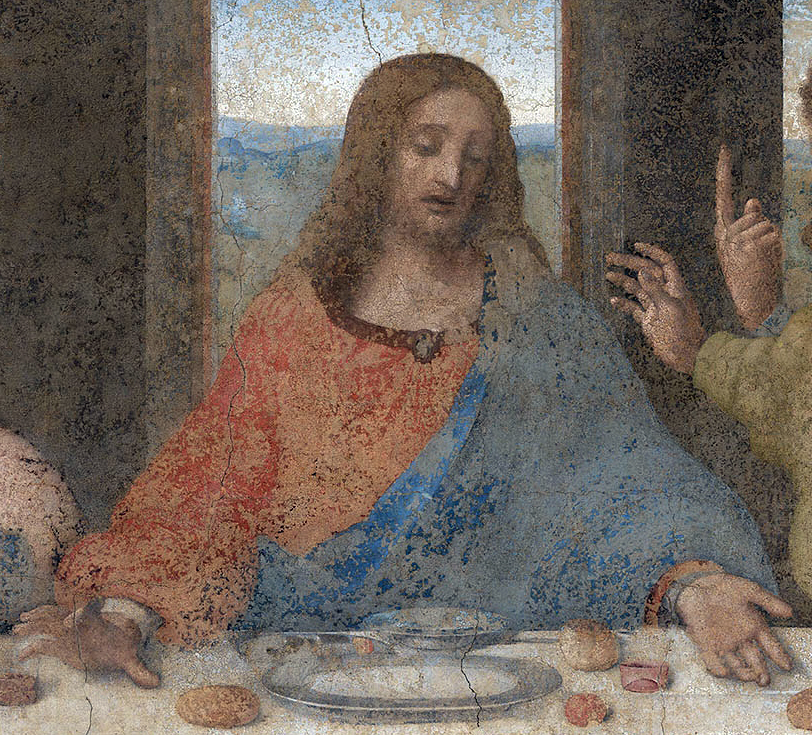
The Last Supper- Church of Santa Maria delle Grazie, Milan (detail)
Tickets impossible to find on the official website
If you try to buy a ticket for Leonardo’s Last Supper from the official website, you will find that the available places sell out in no time. For example, tickets for February, March and April go on sale in December and disappear within minutes. The rule is clear: either you log on as soon as sales open, or you risk being left empty-handed.
The scarcity of tickets is also due to the fact that the work is extremely delicate.
Created between 1494 and 1498, The Last Supper is housed in the refectory of the church of Santa Maria delle Grazie in Milan and requires strict environmental control. Only 40 people are allowed in every 15 minutes, for a total of 1,720 visitors per day. However, until a few years ago, only 25 people were allowed in every 15 minutes.
This limit, imposed to preserve the fresco, still fails to meet the enormous demand: every year there are about 1.5 million requests for only 500,000 available places.
Speculation by tour operators
Yet a quick Google search is enough to find tickets available for the next day.
The problem? The prices are far from £15: they start at £40 and exceed £120. How is this possible?
This is not ticket touting, but an authorised system: tour operators are entitled to a large quota of tickets, which they sell as part of guided packages.
These operators, about 30 in total, purchase tickets from the concessionaire that manages sales on behalf of the museum. The quota reserved for tour operators is significant: 38% of tickets available from Tuesday to Thursday and 30% from Friday to Sunday. This leaves individual visitors with a small percentage of tickets on the official website.
If you are looking for information on how to book tickets for The Last Supper, don’t miss my comprehensive guide: Tickets for Leonardo’s Last Supper: how to book a visit to Leonardo’s masterpiece.
Although tour operators offer guided tours with detailed explanations, the actual time spent in the Last Supper room does not exceed 15 minutes, exactly the same as for those who have purchased a single ticket. Furthermore, the exorbitant price of guided packages is only partially justified: many tourists discover that the actual cost of the ticket is £15 only after completing the purchase.
What are the solutions?
The new management of the Cenacolo, which passed to the Pinacoteca di Brera in December 2024, is trying to address the problem. There is talk of a review of the sales system, but experiments are also underway to increase the number of visitors per slot without damaging the fresco. Special evening openings dedicated to the citizens of Milan are also being considered.
The renovation has actually already begun with a new route through Leonardo’s Last Supper. Read all about A new journey through art: the new route through Leonardo’s Last Supper and get ready for a unique experience combining history and innovation.
Greater transparency in ticket management and dialogue with tour operator associations could represent a turning point. However, the problem remains complex, and it is not easy to balance the conservation of the work with growing demand.
My personal experience at the Last Supper
One of my first professional activities in the art world was at the office that managed visitor flows to the Last Supper.Even then, years ago, the situation was very similar: very high demand, limited supply and a lot of controversy over ticket distribution. Despite some technological innovations, it seems that little has changed.
This makes me wonder: is it really impossible to find a fairer balance?
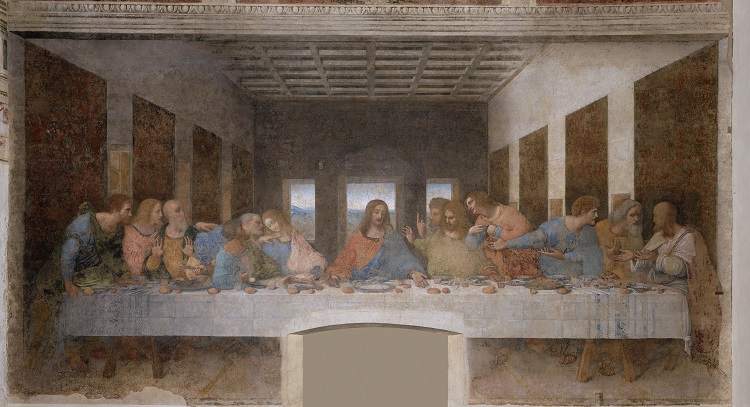
The Last Supper is a masterpiece that everyone should have the opportunity to admire, but its management leaves room for doubt and controversy. Perhaps, with greater transparency and the adoption of new strategies, access could be made more democratic.
What do you think?
Do you think it is fair to pay exorbitant prices to get around the difficulties, or do you believe that stricter rules should be introduced to limit speculation?

Follow me on:
About me
In this blog, I don't explain the history of art — I tell the stories that art itself tells.